As the cost of living and energy prices continue to rise, fuel efficiency has become an important concern for every vehicle owner. Whether you drive a personal car, a pickup truck for transportation purposes, or a vehicle for daily commuting, reducing fuel consumption can help lower operating costs significantly. Many people assume that saving fuel requires sacrificing convenience or limiting vehicle usage. In reality, however, making a few simple adjustments to your driving habits and vehicle maintenance routine can effectively improve fuel efficiency.
In addition to reducing monthly expenses, proper vehicle care can extend engine life, minimize wear and tear on critical components, and enhance driving safety. This is especially important for those who rely on their vehicles regularly. Keeping your vehicle in good condition and ready for use at all times helps ensure optimal engine performance while making the most efficient use of fuel.
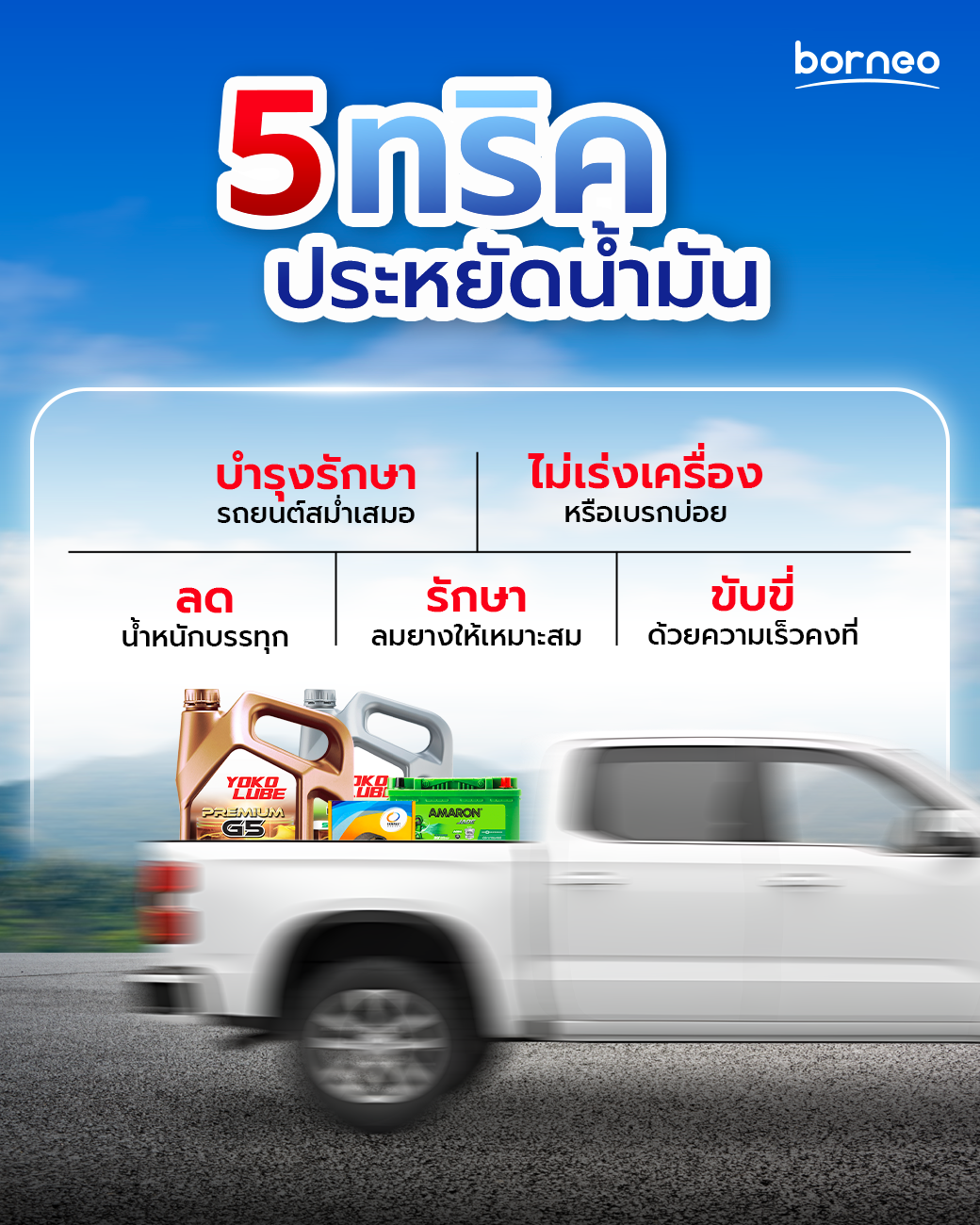
Today, we’d like to share five simple yet effective fuel-saving tips that can help reduce fuel consumption. These practical techniques can be applied to all types of vehicles and deliver long-term benefits for both your wallet and your vehicle’s performance.
Regular vehicle maintenance is one of the most important factors in improving fuel efficiency. When the engine and all related systems are in good condition, your vehicle can operate at peak performance while consuming less fuel.
Be sure to change the engine oil according to the recommended service schedule, replace the air filter when necessary, and routinely inspect the ignition system, battery, and fuel system. Worn or malfunctioning components can force the engine to work harder than normal, leading to increased fuel consumption without you even noticing it.
Your driving habits have a direct impact on fuel consumption. Rapid acceleration and frequent hard pressing of the accelerator force the engine to work harder, resulting in unnecessary fuel usage.
Instead, accelerate gradually and maintain a steady speed whenever possible. Planning ahead and paying attention to traffic conditions can also help you avoid sudden braking. Smooth driving not only improves fuel efficiency but also reduces wear and tear on the braking system, tires, and drivetrain, helping to lower long-term maintenance costs.
Many drivers overlook the impact of vehicle weight on fuel consumption. In reality, the heavier the vehicle, the more energy the engine needs to move it, resulting in increased fuel usage.
Make it a habit to check the items stored in your vehicle regularly. Remove any unnecessary equipment or cargo that is not being used to reduce excess weight. This is especially important for pickup trucks and vehicles that frequently carry loads. Properly managing your vehicle’s load can reduce strain on the engine, improve efficiency, and lead to noticeable fuel savings over time.
Tire pressure is another important factor that affects fuel efficiency. When tires are underinflated, they create a larger contact area with the road surface, increasing rolling resistance. As a result, the engine must work harder to keep the vehicle moving, leading to higher fuel consumption.
Check your tire pressure at least once or twice a month, and always before long trips. Make sure the tires are inflated according to the manufacturer’s recommended pressure levels. Properly inflated tires help maximize vehicle performance, improve fuel efficiency, and contribute to safer driving.
Maintaining a steady and appropriate driving speed is one of the most effective ways to improve fuel efficiency. When your speed remains consistent, the engine does not need to constantly accelerate or adjust its operating speed, resulting in lower fuel consumption.
Avoid driving at excessively high speeds whenever possible, as aerodynamic drag increases with speed and forces the engine to use more fuel. Driving within a reasonable speed range that suits road conditions and traffic regulations helps your vehicle operate more efficiently while maximizing fuel economy.
💡 Saving fuel doesn’t have to be difficult, nor does it require major lifestyle changes. By maintaining your vehicle regularly, adopting efficient driving habits, reducing unnecessary load, keeping your tires properly inflated, and maintaining a steady driving speed, you can significantly improve fuel efficiency and reduce fuel expenses over time. These simple practices not only help you save money but also contribute to better vehicle performance and longer engine life.
Interested in becoming the distributor of Industrial Supply and Automotive Aftermarket from leading brands to contact Borneo call ☎️ 02-081-4900


 EN
EN  TH
TH